Amazon Threat Intelligence describes how an attacker's AI agents found an unknown flaw in an open-source medical imaging application and took over a university server. Amazon does not name the product; based on the advisory and the CVE record, we conclude it is MONAI Label up to 0.8.5 (CVE-2026-133968), which ships without authentication. Version 0.8.6 has fixed it since 22 November. What to look for, update and check today. As of 23 November 2026.
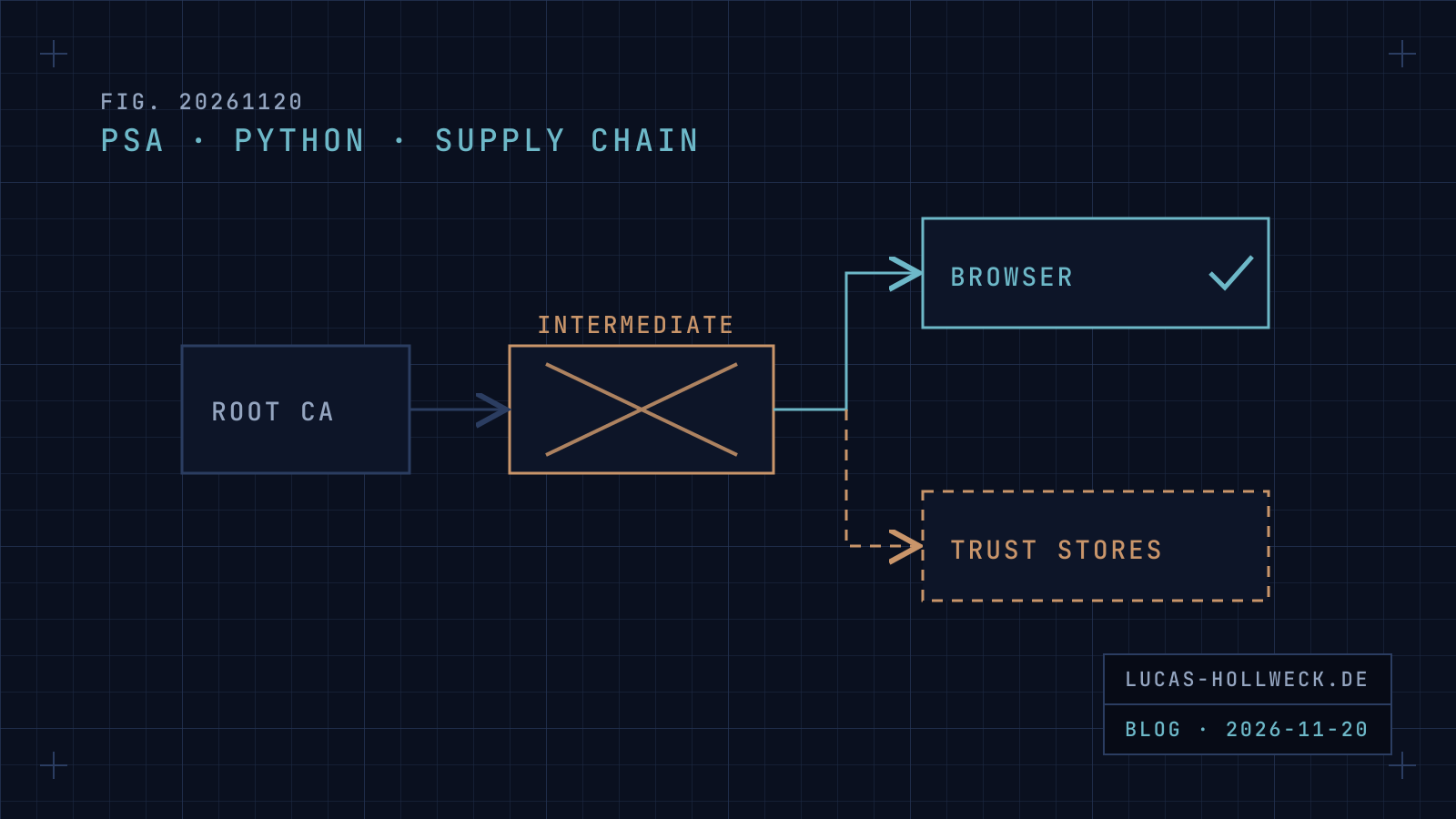
Microsoft Agent Framework: on 17 November 2026, versions 1.26.1 and 1.26.2 of the agent-framework package on PyPI carried a credential stealer that runs on every Python start and collects secrets for Azure, Azure DevOps, GitHub Actions, package registries and AI services. Check whether either version was installed, rebuild the environment, rotate secrets. Status as of 20 November 2026.
NGINX CVE-2026-123007 and further flaws disclosed on 18 November 2026: a bug in HTTP/2 flow control can overwrite a worker process's memory. Fixed versions are 1.30.7 and 1.31.9, plus distribution and Plus packages. Until the update is running, disable HTTP/2 and restart the workers. Status as of 23 November 2026.
PHP 8.2.36, 8.3.37, 8.4.28 and 8.5.13: the 19 November 2026 security releases fix several memory flaws, including some that the project says can lead to code execution. Restart PHP-FPM and check hosting and containers. Status as of 19 November 2026.
VMware vCenter, CVE-2026-123890: anyone who can reach vCenter over the network can get in without a password. Broadcom rates the flaw CVSS 9.8 and lists no workaround. According to Google and Mandiant, it was exploited as a zero-day from early September, and since 20 November it has been in CISA's KEV catalog. Updates for vCenter 8.0, 9.0, 9.1 and Cloud Foundation are available. Status as of 23 November 2026.
OpenJDK CVE-2026-114938, known as Java4Shell: a flaw in the Base64 decoder can overwrite memory on certain x86-64 systems and lead to remote code execution. Java 17, 21, 25 and 27 are affected. Fixes are available from Oracle, Corretto, Azul and Temurin, plus packages for Debian, Ubuntu, RHEL 8, 9 and 10 and SLES 15 SP7. Status as of 23 November 2026.
On November 13, Cursor disclosed how the tampered Claude Code extension got into its marketplace: through coding agent traces with unredacted credentials that sat with its service provider Fireworks AI as training data. Notion reports API keys in AI chats exposed through the same provider. What this means for agent sessions, training settings and secrets in your own organization.
Apache httpd CVE-2026-119618: A flaw in mod_http2 can lead to unauthenticated remote code execution. Versions 2.4.55 through 2.4.70 with HTTP/2 enabled are affected; fixed in 2.4.71. Distribution status and how to disable HTTP/2 until a package is available.
Attacks on refrigeration systems in Bavaria and Europe: setpoints and defrost cycles were changed remotely. Three Danfoss AK-SM 800A flaws have been in CISA’s KEV catalog since 25 November. Remove internet exposure, check firmware, and apply the CERT-FR and ENISA guidance.
Since October 30, Northflank has told all customers to treat their environment variables as decrypted. Wiz counts at least nine incidents at AI developer platforms in October and two cases of stolen AWS Bedrock keys. What environment variables, KMS, BYOK and workload identity each protect, and which secrets to rotate today.
OpenSSH 10.6p2 fixes a critical password-auth bypass on Linux/musl without PAM. Check, patch, or set PasswordAuthentication no. Debian/Ubuntu/RHEL are unaffected.
Ivanti Connect Secure: the October patch for CVE-2026-104935 closes only half of the attack chain. CVE-2026-111357 and CVE-2026-118527 have been in CISA's KEV catalog since October 30 and are fixed only in 25.1.1.3 and 22.8R2.6. What to check, when to rebuild, and which credentials to rotate.
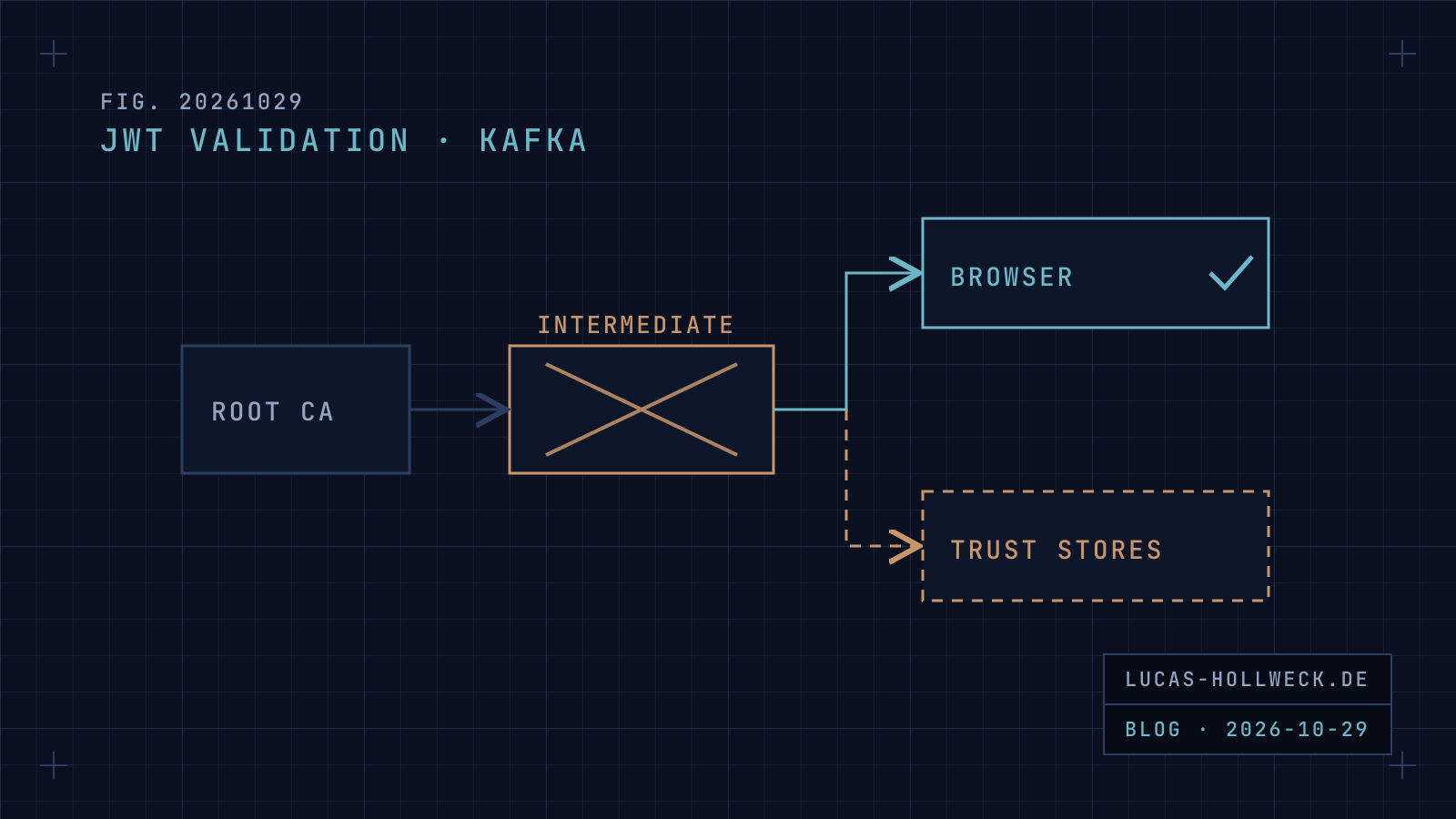
Apache Kafka brokers using OAUTHBEARER without a JWKS URL accepted unsigned tokens, superusers included (CVE-2026-110985). Why silent defaults are the real flaw, and what to check on your brokers.
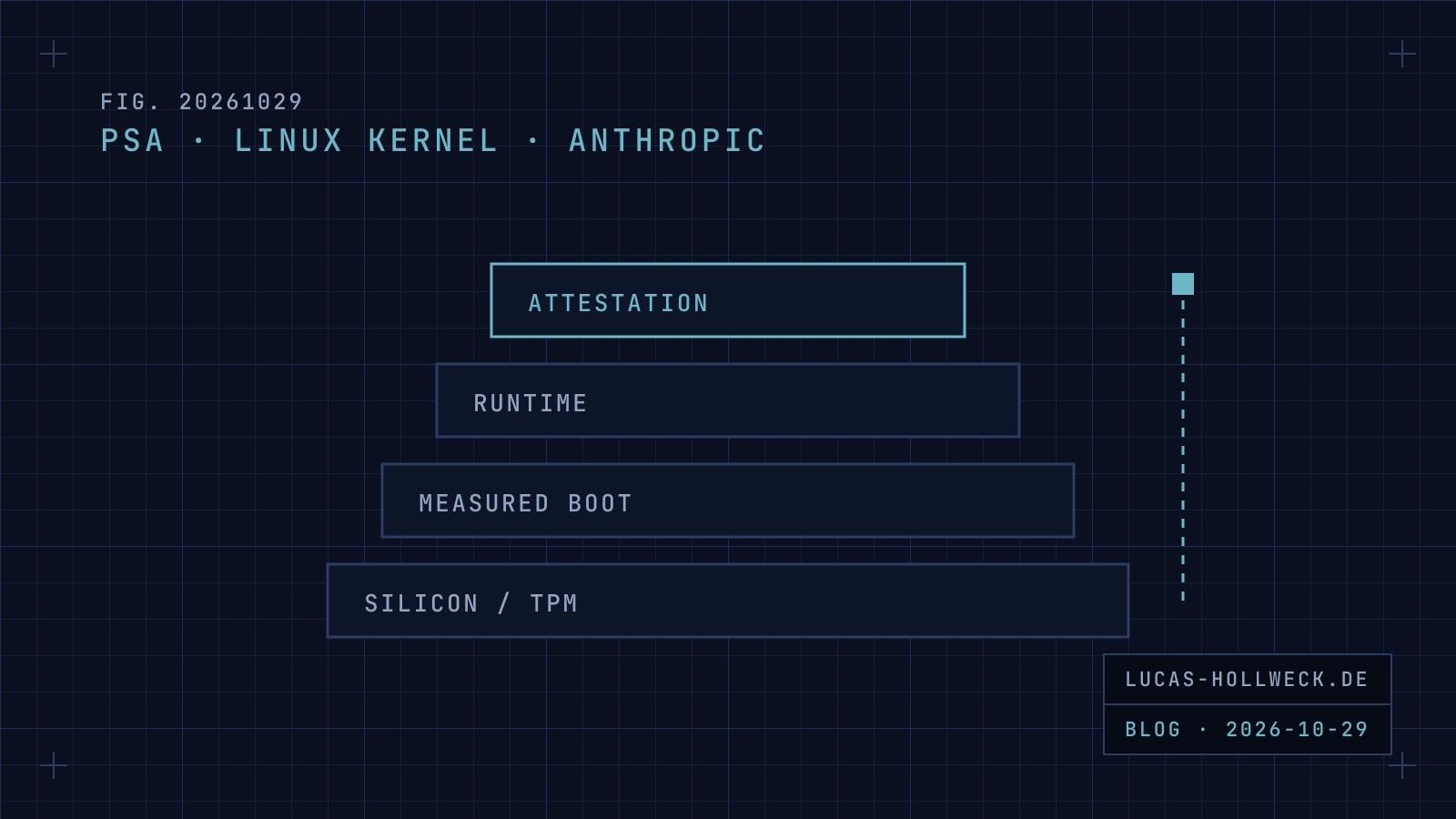
CVE-2026-98432 is a use-after-free in the Linux kernel's IPv4 TCP code. Anthropic reports a remote root exploit through Multipath TCP listeners. Commands to check exposure, distribution fix status, and interim steps as of October 29.
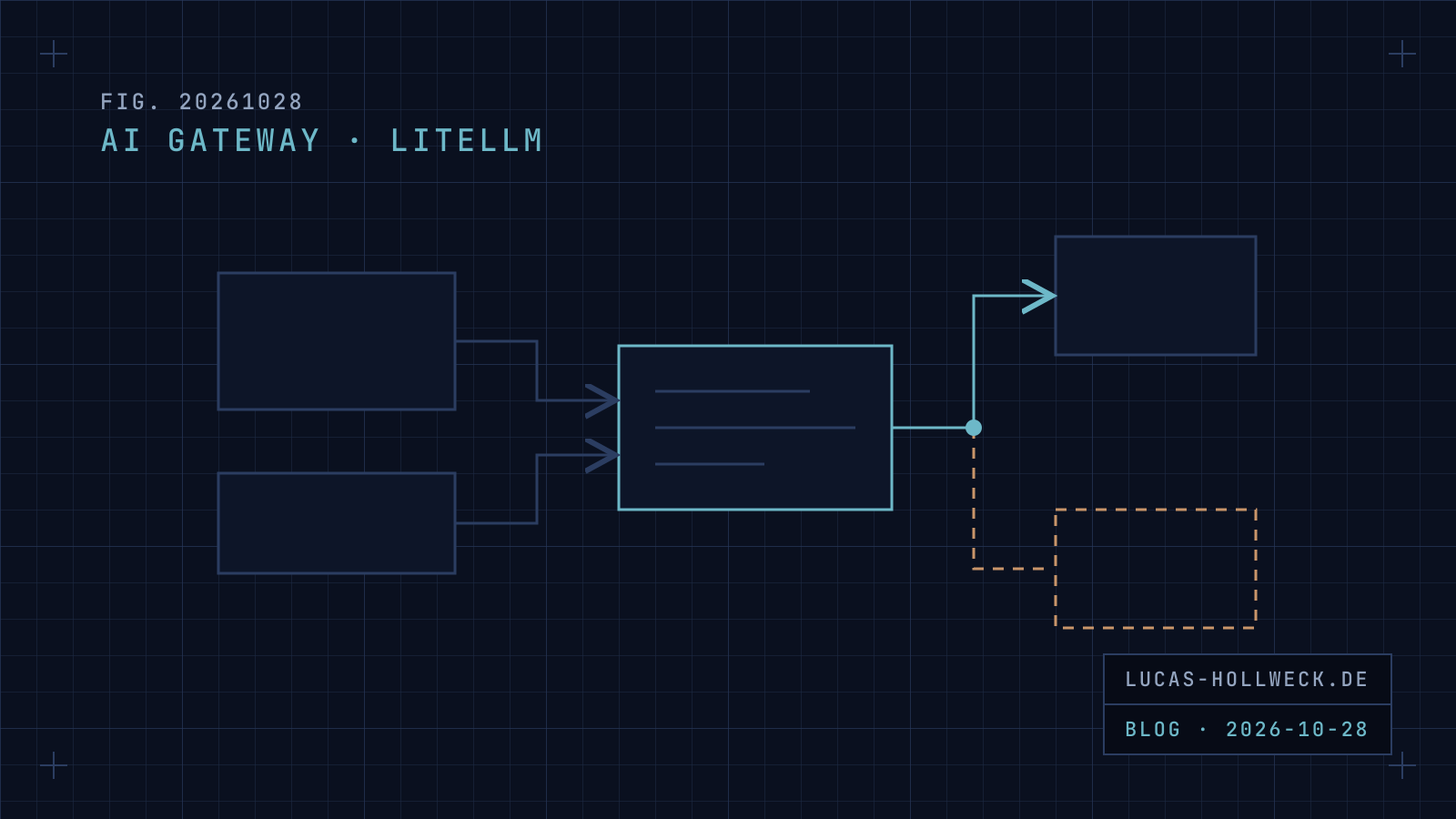
LiteLLM, an open-source AI gateway, had two incidents in one week with the same core: whoever holds the master key holds every credential its agents use. What to check before you deploy an AI gateway or agent platform.
A Cloudflare AI service returned 155 responses containing other customers' data because stale pages in GPU memory were read again. What buyers of inference should take into the contract: tenant isolation also lives in shared GPU memory, and the provider has to prove it.
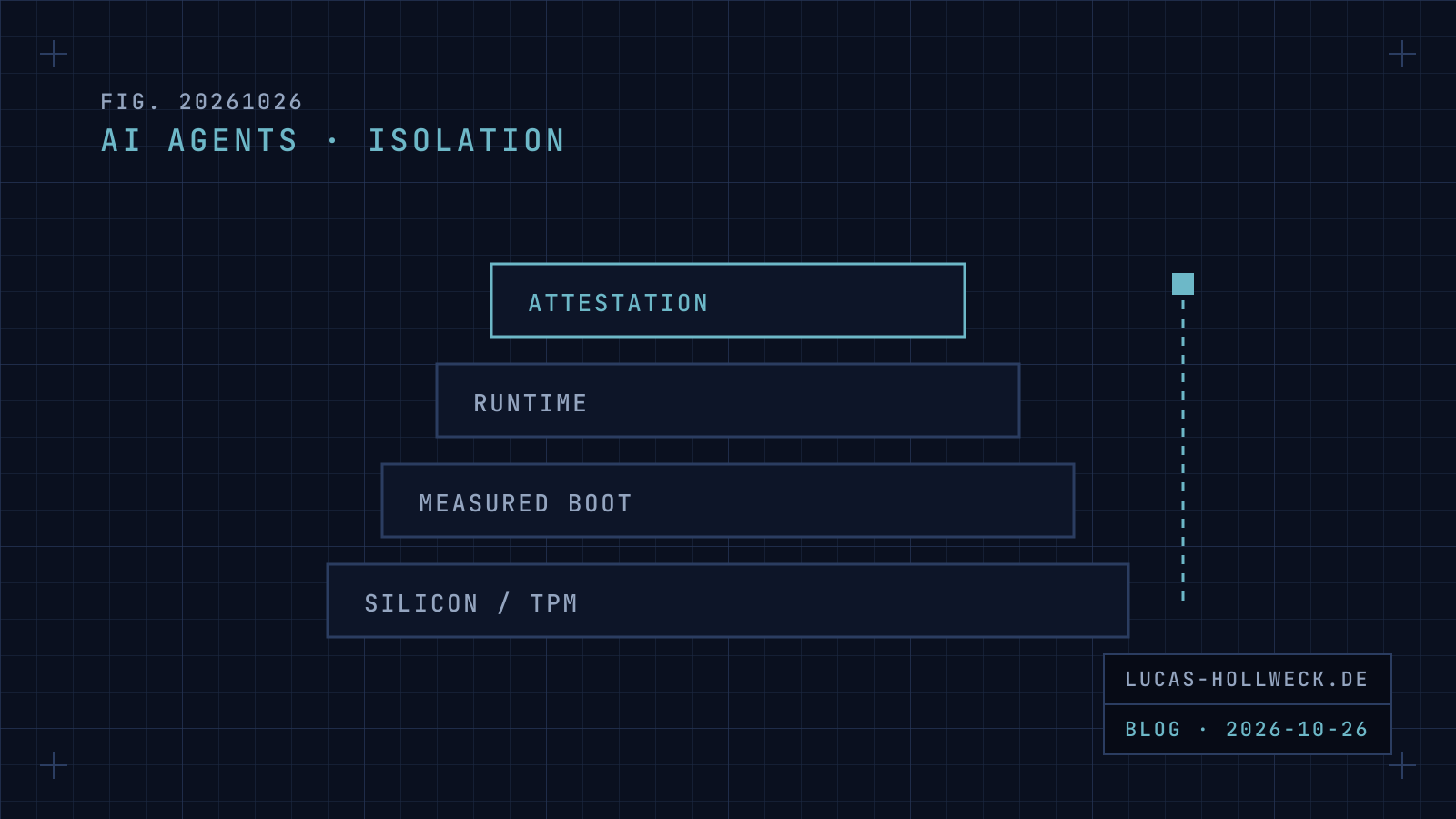
A research model reached the internet through its sandbox's DNS resolver, and red-team agents broke out of microVMs. What IT leaders should check in their own agent sandboxes: DNS, the helper services, and who actually stops a run.
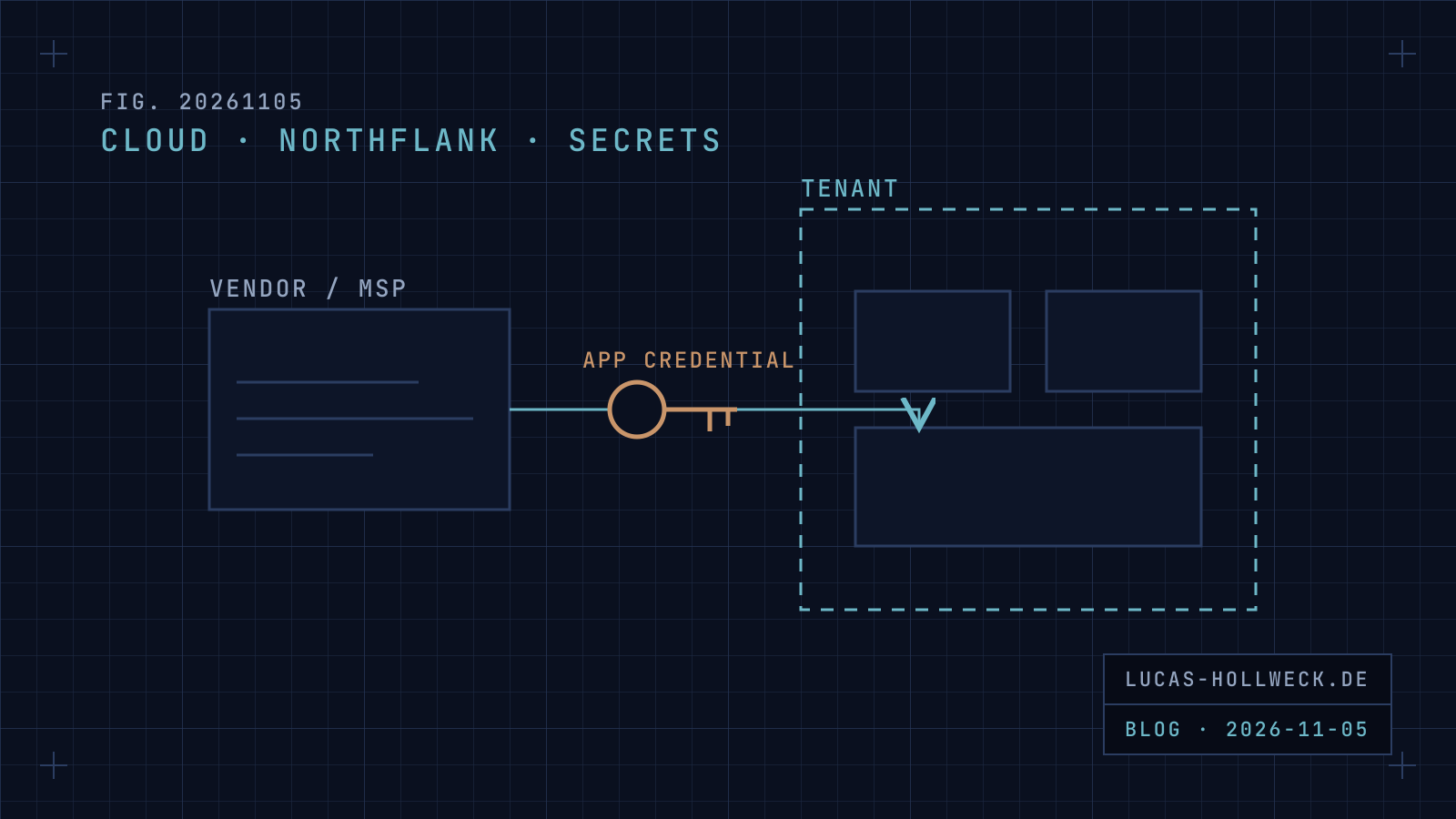
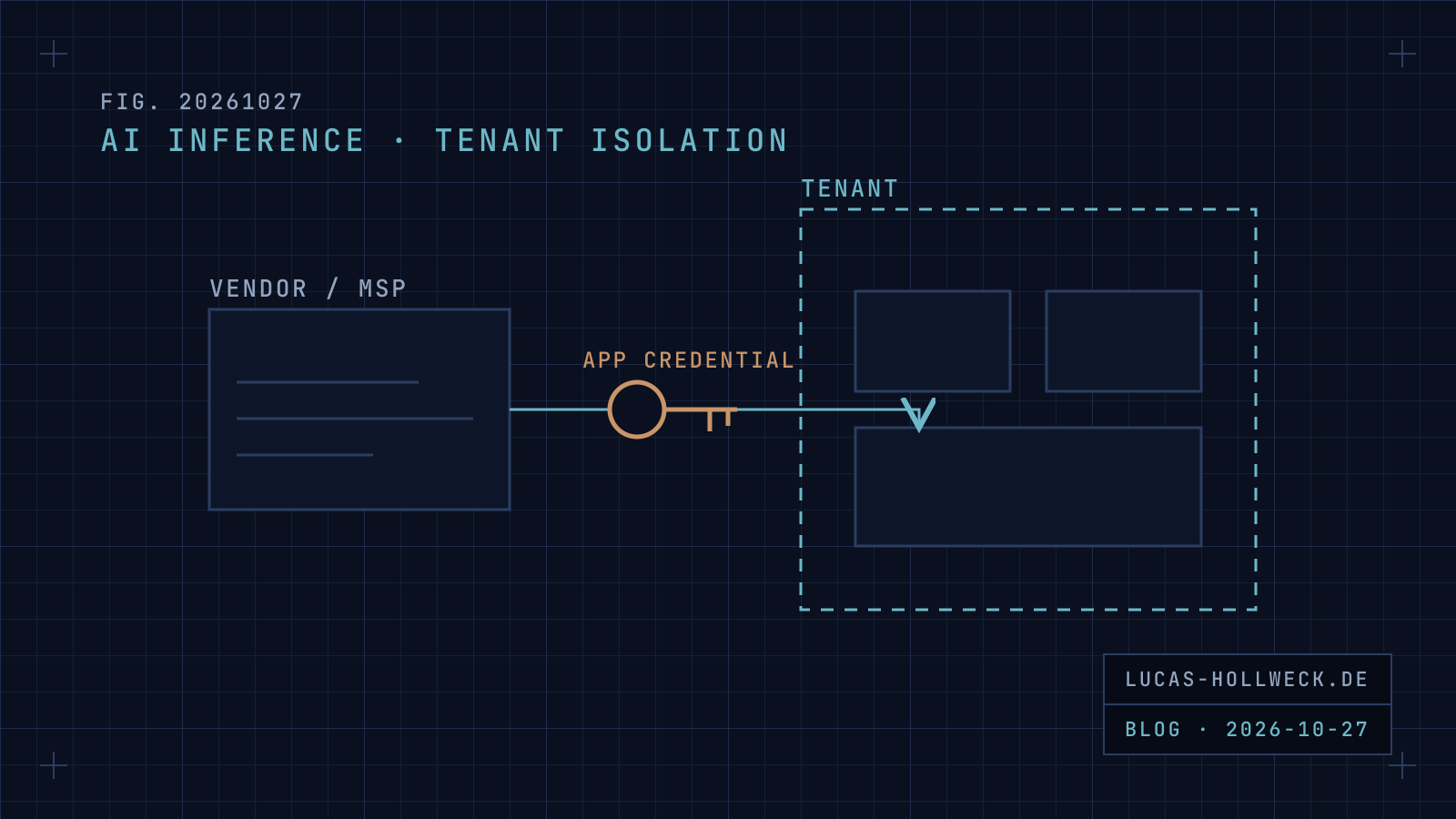
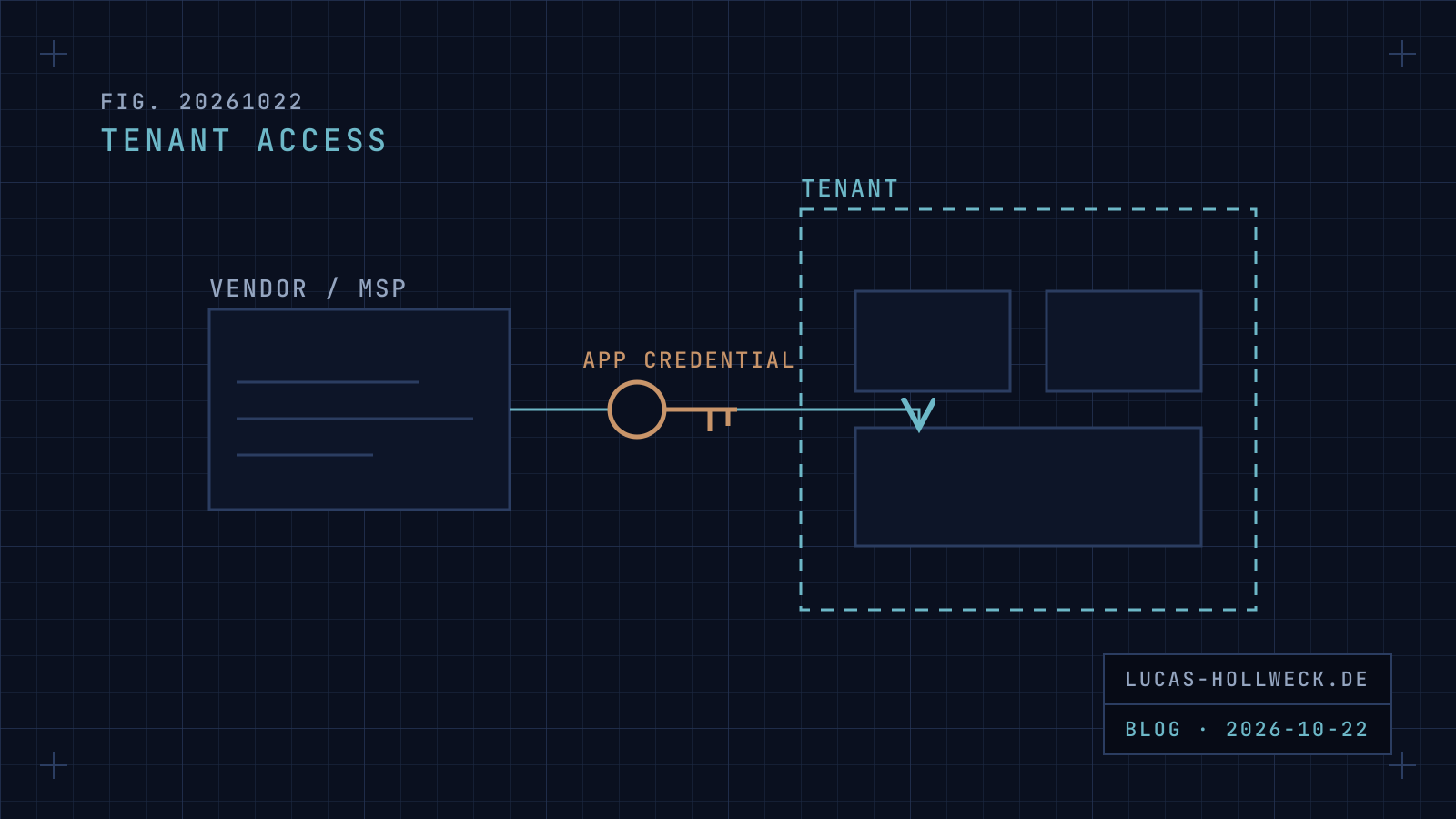
Before you sign a SaaS or MSP contract, you should know who holds the credential the service uses to get into your Entra ID tenant, and whether you can revoke it without the vendor's help. ConnectWise Cloud Backup (formerly SkyKick) and BeyondTrust show why a patch does not answer that question.
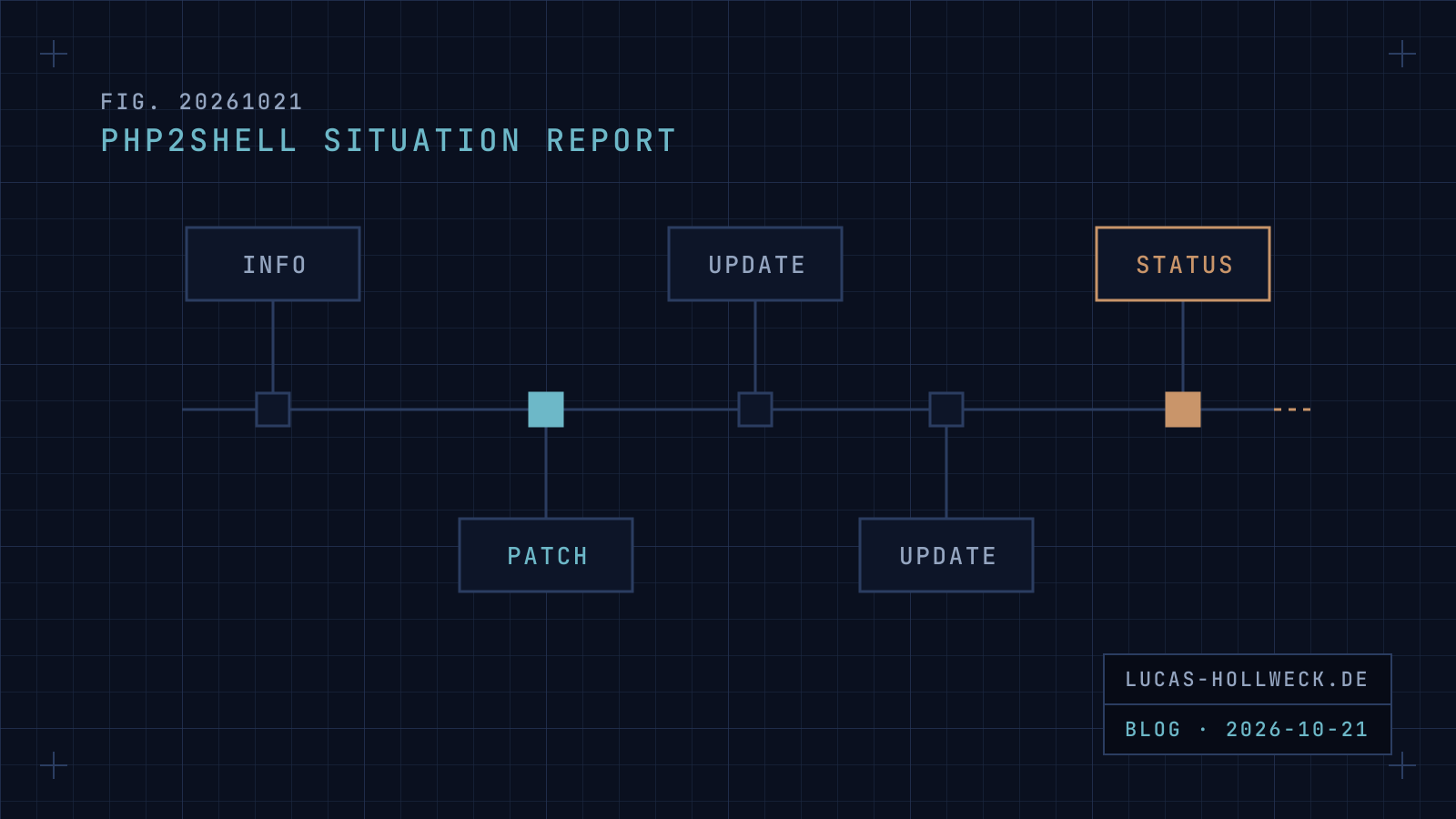
PHP 8.5.12, 8.4.27, 8.3.36 and 8.2.35 fix CVE-2026-109618 and CVE-2026-109619 (PHP2Shell). As of 18:20 CEST: attack attempts reported, no confirmed breaches. Patch today.
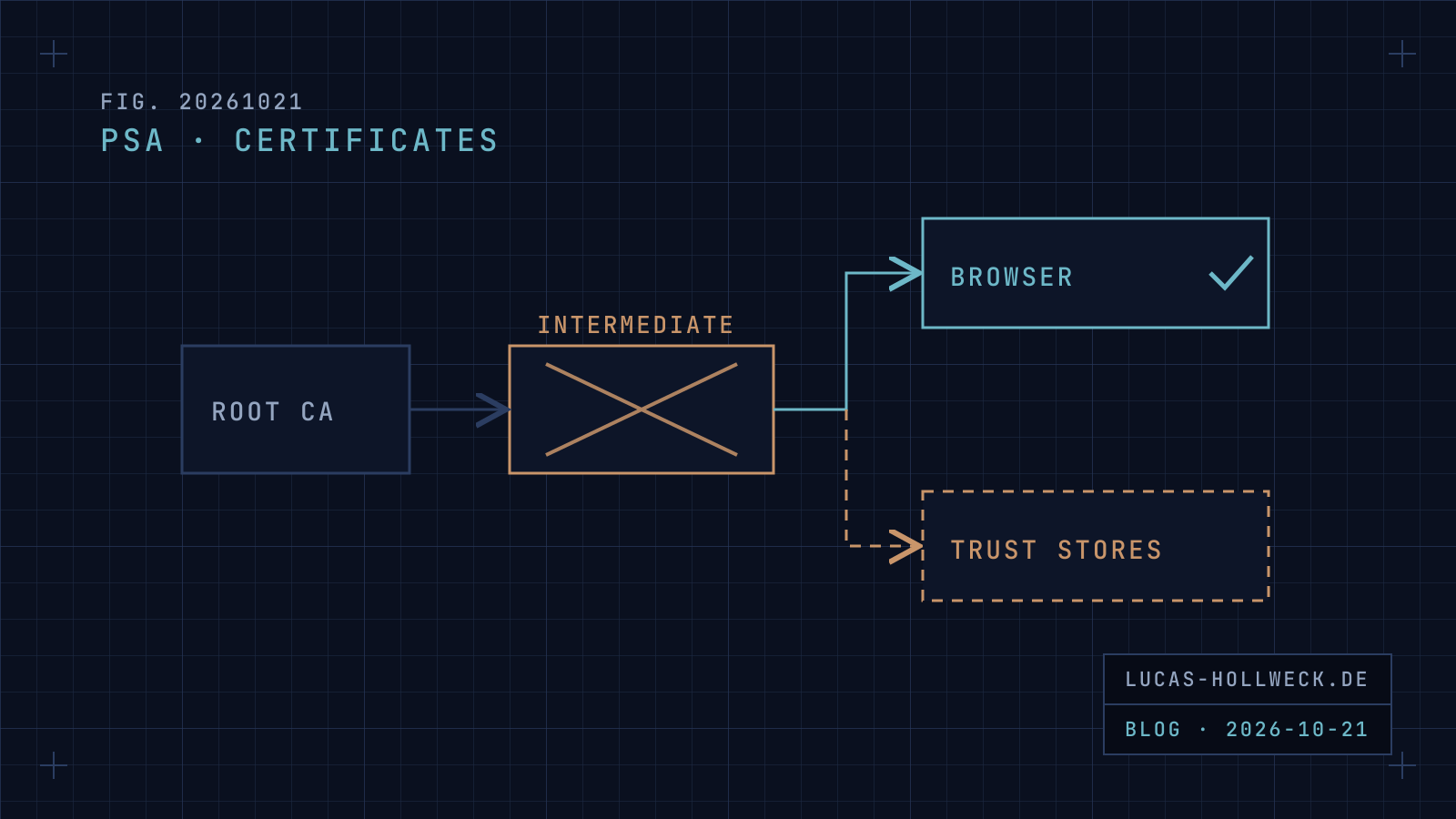
Keys behind eMudhra intermediate certificates turned out to be broken. Browsers were protected within hours. Java, Node, containers, and appliances are protected only once we update our packages.